
PATENT
PENDING
GRESS
The Governed Regulated-Enterprise Simulation System
An Emerging Deep-Tech Venture
In regulated industry, organizations entrust high-stakes decisions to impressively credentialed professionals and increasingly autonomous machines. Yet how can an organization actually establish—and continue to verify—that those people and machines are capable of making the right decisions?
The demand for better evidence of competence and reliability in regulated operations is becoming impossible to ignore. The FDA has demanded proof of actual personnel competence beyond documented training, while its guidance for evolving SI-enabled medical devices calls for validation of planned modifications and assessment of their effects on safety and effectiveness. The Department of War (DoW) requires rigorous verification, validation, and realistic testing of autonomous weapon systems, including reassessment following policy changes.
Yet professional certifications, training records, and conventional machine benchmarks offer limited evidence of how people or machines will perform within complex, evolving operating environments.
The prevailing alternatives often amount to discovering performance deficiencies after disasters have already occurred.
What if organizations could establish evidence of judgement before entrusting people or machines with significant responsibilities—and continue verifying that judgement as circumstances change?
That is the problem I invented GRESS to solve.
From Psychometrics to Machine Assurance
GRESS is my patent-pending simulation engine for evaluating human and machine judgement within realistic, evolving simulations of regulated enterprises.
It is not some new model. It is not some simple set of prompts. This system is engineered to FDA and DoW standards to create realistic synthetic organizations encompassing products, personnel, operational histories, records, and governing requirements. Therein, human professionals and SI-enabled machines encounter individualized, rules-based challenges demanding investigation, technical reasoning, evidence evaluation, and high-stakes decisions. Their performance is evaluated against independently established requirements, producing traceable, auditable evidence of demonstrated capability and compliance to defined rules.
For human professionals, GRESS offers the foundation for a new generation of performance-based psychometrics: evaluating applied judgement rather than relying primarily on credentials, conventional examinations, or self-reported competence.
For machines, the same foundational technology offers a potential approach to one of the defining challenges of the Synthetic Age: establishing whether increasingly autonomous systems can exercise reliable judgement under the actual constraints of their intended responsibilities. That is, in addition to its psychometric capabilities, GRESS may even offer a new, empirically robust approach to answering the alignment problem.
Disrupting Two Markets With One Engine
Human Performance—The Psychometrics Market
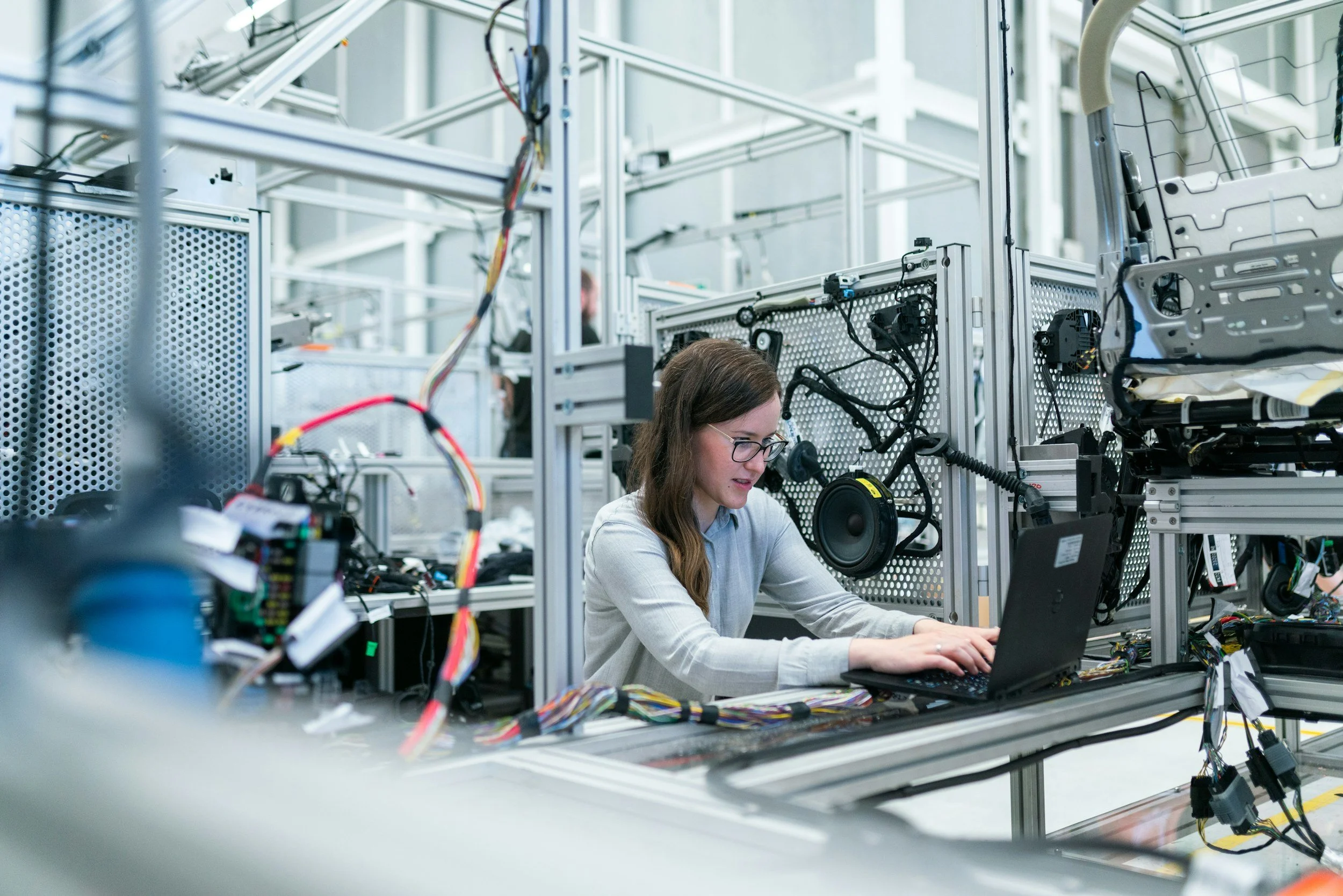
Traditional certifications and examinations do not provide organizations with complete evidence of professional performance, particularly as constraints evolve over time. GRESS is designed to deliver a fundamentally more reliable and economical alternative: assessing judgement in realistic operating environments, with reassessment frequency calibrated to the decision risks of each role.
Its natural initial applications include personnel qualification, competency evaluation, training, professional development, and continuing assurance in highly regulated industries.
Machine Performance—The Governance Market
As increasingly autonomous systems assume greater responsibility, conventional benchmarks and demonstrations provide incomplete evidence of performance under real-world constraints. GRESS extends the same assessment approach to machine judgement, identifying capability limitations and generating evidence for deployment, delegation, and ongoing oversight.
Forthcoming applications include SI-enabled machine qualification, autonomous-system validation, pre-deployment risk assessment, and recurring evaluations in regulated industries and critical infrastructure.
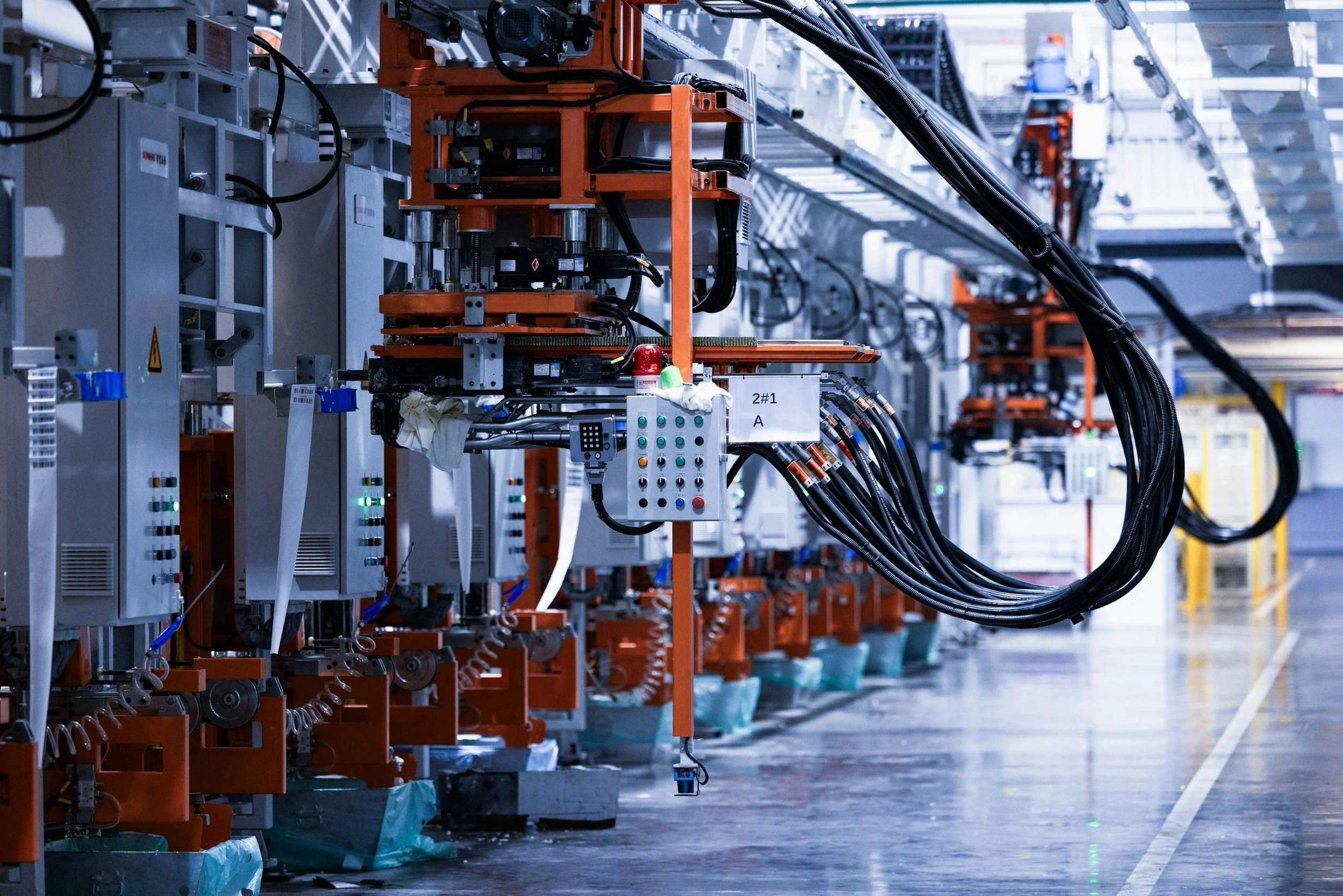
One technology stack for evaluating human and machine judgement.
Where GRESS Can Go
The initial opportunity directly challenges prevailing compliance, training, and governance spend in industries where rigorous assurance is already a commercial and regulatory necessity.
Regulated Life Sciences
Medical technology, biotechnology, pharmaceuticals, clinical development, and biomanufacturing.
Defense and Critical Systems
Defense, national security, aerospace, aviation, nuclear energy, utilities, and critical infrastructure.
Super Intelligence and Digital Infrastructure
Frontier SI laboratories, autonomous-system developers, cybersecurity, and independent machine evaluation.
Financial and Enterprise Systems
Banking, insurance, investment management, regulated fintech, and other infrastructure-critical enterprise operations.
The Venture
GRESS is being developed as the flagship product of a founder-led deep-tech venture, originating from my 15 years of experience in the trenches confronting the disastrous brand- and safety-relevant consequences of failed professional judgement in regulated industry.
What began as an invention for testing human competence in the FDA domain has expanded into a technological proposition with applications in enterprise psychometrics, machine evaluation, SI assurance, and the broader alignment problem.
The underlying technology remains in stealth development, with its proprietary architecture and implementation undisclosed, but the commercial vision is public.
The objective is not simply to create another certification service or assessment product, but to build a human-centered, scalable technology company around a breakthrough approach to verifying high-stakes judgement.
I am selectively exploring early-stage investment and strategic partnerships with those interested in participating in the development and commercialization of GRESS—and the potential creation of an entirely new category of assurance technology.